 25 Kaki bukit road 4, Synergy@KB, #06-93, Singapore 417800
 info@powerengsg.com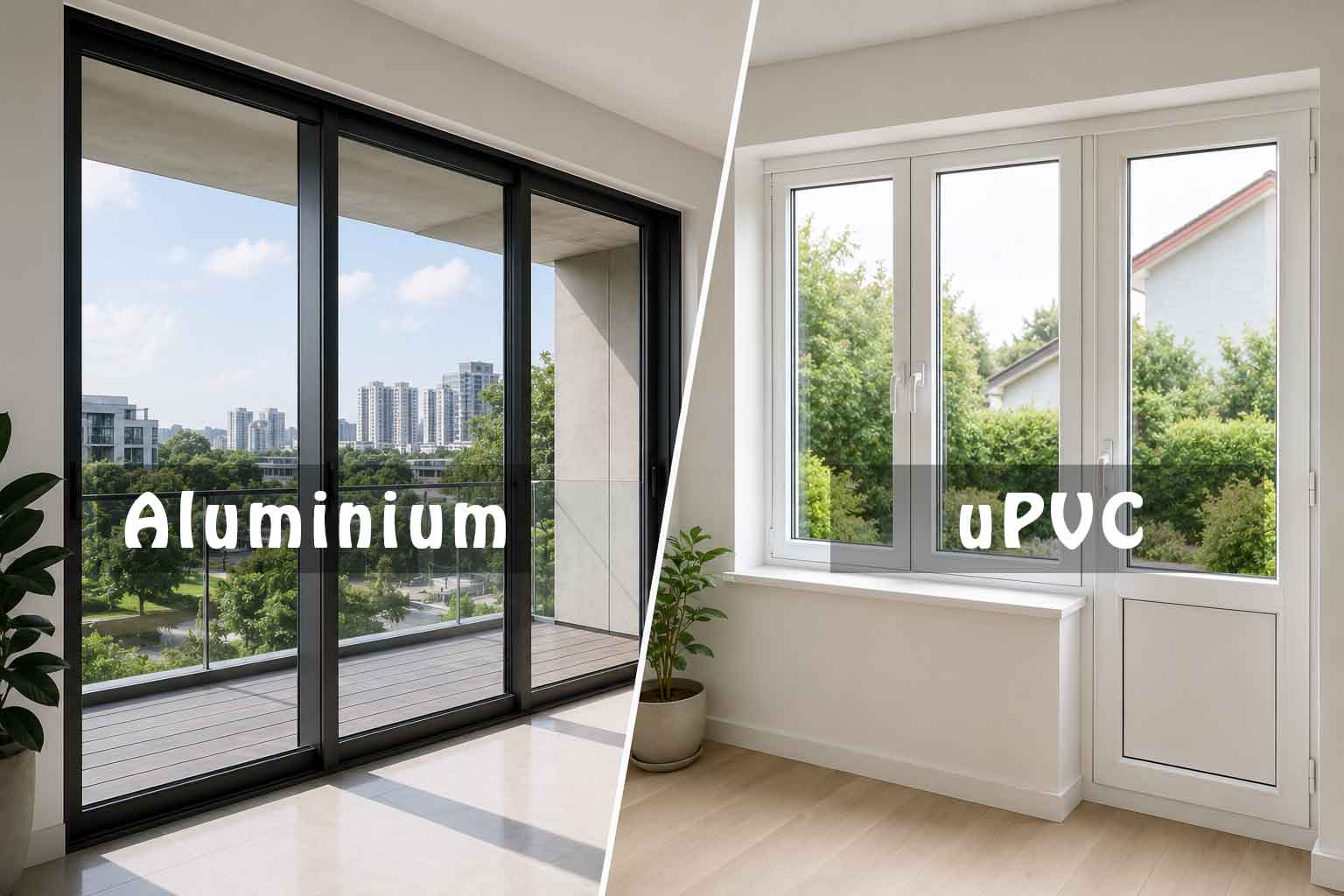
When it comes to upgrading windows and doors in Singapore - whether for an HDB flat, a condominium, or a commercial property - one of the most common debates is aluminium vs uPVC. Both materials have strong advocates, and both are widely used across the island. But which one is actually the smarter choice for Singapore's unique climate, building regulations, and aesthetic preferences?
In this guide, we break down everything you need to know, from durability and thermal performance to cost and design flexibility, so you can make an informed decision before your next renovation or build.
Understanding the Two Materials
What Is Aluminium?
Aluminium is a naturally occurring metallic element that is lightweight yet exceptionally strong. In construction, aluminium extrusions are shaped into precise profiles for windows, doors, curtain walls, and facades. The material is treated with a powder coat or anodised finish for colour and corrosion resistance. Aluminium has long been the material of choice for commercial buildings in Singapore, and its use in residential properties has grown significantly in recent years.
What Is uPVC?
uPVC, or unplasticised polyvinyl chloride, is a rigid plastic material widely used in Europe for windows and doors. It offers good thermal insulation and is marketed as a low-maintenance alternative to timber. uPVC frames are available in white and a limited range of colours, though they do not offer the same slim-profile aesthetics as aluminium systems.
Key Differences: Aluminium vs uPVC in Singapore's Climate
Singapore's tropical climate - characterised by high humidity, intense UV exposure, heavy rainfall, and year-round heat - puts window and door materials through demanding conditions. Understanding how each material responds to these conditions is critical. Aluminium performs exceptionally well in humid and tropical environments because it does not swell, warp, or degrade when exposed to moisture. uPVC, while resistant to moisture, is more susceptible to UV degradation and can become discoloured or brittle over time in prolonged sunlight - a significant consideration in Singapore where sunshine is relentless.
Aluminium also holds up well against Singapore's frequent thunderstorms and wind-driven rain, making it the preferred material for high-rise applications and facades where structural rigidity is essential.
Durability & Structural Strength
In terms of raw durability, aluminium has a clear edge over uPVC. Aluminium frames can withstand significant wind loads, making them suitable for high-rise buildings and large-span openings. The material does not sag, bow, or lose its shape over time, even in large window or door configurations. For commercial buildings in Singapore, aluminium is almost always the preferred choice because of its proven structural integrity.
uPVC, while durable for standard residential windows, requires internal steel reinforcement in larger applications, which adds weight and installation complexity. Over a 15 to 20-year period, aluminium typically maintains its form and finish more reliably than uPVC in Singapore's climate.
Aesthetics & Design Flexibility
This is where aluminium truly stands out. Modern aluminium window and door systems offer incredibly slim sightlines, giving spaces a clean, architectural look that uPVC cannot match. Aluminium can be powder-coated in virtually any colour - from classic black and charcoal to custom architectural shades - allowing for precise design coordination across a project. For both contemporary and heritage-inspired properties, aluminium's versatility makes it the more adaptable material.
uPVC frames, by contrast, are bulkier in profile and are traditionally available in a narrower colour range. While some manufacturers offer foil-wrapped finishes, these are not as durable or as refined in appearance as aluminium's powder-coated or anodised surface treatment.
Energy Efficiency & Thermal Performance
One argument often made in favour of uPVC is its thermal insulation properties. uPVC inherently conducts less heat than aluminium, which has historically been a concern in energy-efficient building design. However, modern aluminium systems used by reputable contractors in Singapore incorporate thermal breaks - insulating barriers within the aluminium frame that significantly reduce heat transfer. When combined with double-glazed or low-E glass, aluminium window systems are fully capable of meeting Singapore's BCA Green Mark energy efficiency standards.
For residential properties in Singapore, the difference in thermal performance between a well-specified aluminium system with thermal break technology and a uPVC system is minimal. The choice of glass is often more impactful on energy performance than the frame material itself.
Maintenance & Long-Term Value
Both aluminium and uPVC are marketed as low-maintenance materials, and both require only basic cleaning to maintain their appearance. However, aluminium has a practical advantage: its surface finishes are highly resistant to staining, peeling, and discolouration. A quality powder-coated aluminium frame retains its colour and finish for decades without requiring repainting. In contrast, uPVC can yellow or chalk over time in Singapore's high-UV environment.
From a long-term value perspective, aluminium's longevity and resistance to physical damage make it a sound investment. Replacing uPVC windows that have discoloured or become brittle within 10 to 15 years can often cost more than opting for quality aluminium from the outset.
Cost Comparison
Upfront, uPVC windows and doors can be slightly less expensive than aluminium equivalents. However, when factoring in the lifespan, finish quality, and design flexibility, aluminium typically offers better overall value for money in the Singapore context. For commercial projects - schools, institutions, condominiums, and office buildings - aluminium is the standard choice, and the investment is reflected in the property's perceived quality and market value.
For homeowners comparing costs on an HDB renovation or a landed property build, the price difference between aluminium and uPVC is narrowing as aluminium becomes more accessible. Getting quotations from experienced aluminium fabricators and comparing total lifecycle costs - including potential replacement and maintenance - will give you a clearer picture.
Which Is Better for HDB, Condo & Commercial Properties?
For HDB flats and BTO units, aluminium remains the dominant and HDB-approved material for windows and grilles. Most licensed contractors in Singapore work exclusively with aluminium systems for HDB projects, ensuring compliance with HDB's technical requirements. For condominiums, aluminium is preferred for its sleek appearance and long-term performance, especially in high-rise locations exposed to wind and rain.
For commercial and institutional buildings - such as schools, hospitals, office towers, and shopping centres - aluminium is effectively the industry standard. Curtain wall systems, facade cladding, skylights, and structural glazing are all built around aluminium because of its strength, precision, and design flexibility.
Frequently Asked Questions
Are aluminium windows allowed in HDB flats?
Yes. Aluminium windows are the standard and HDB-approved material for window replacement in HDB flats. Any replacement must be carried out by an HDB-licensed contractor, and permit applications are required for certain types of window works.
Does aluminium rust in Singapore's humid climate?
No. Aluminium does not rust. It forms a natural oxide layer that protects it from corrosion. When treated with a powder coat or anodised finish, aluminium window and door frames are highly resistant to the humidity and salt air common in Singapore's environment.
Which is more energy efficient - aluminium or uPVC windows?
Modern aluminium systems with thermal break technology perform comparably to uPVC in terms of thermal efficiency. In Singapore's climate, the glass specification (single, double, or low-E glass) has a greater impact on energy performance than the frame material. Both materials can meet BCA Green Mark requirements when correctly specified.
How long do aluminium windows last in Singapore?
Quality aluminium windows installed by a professional fabricator can last 25 to 40 years with minimal maintenance. Regular cleaning and periodic inspection of seals and gaskets will extend their service life further.
Final Verdict
For Singapore homeowners, property developers, and building owners, aluminium is the clear winner in terms of durability, design flexibility, long-term value, and compatibility with Singapore's tropical climate and building regulations. While uPVC has its place in certain residential applications, aluminium's combination of structural strength, aesthetic precision, and low maintenance requirements make it the preferred material across the full spectrum of residential and commercial projects in Singapore.
If you are planning a window or door installation, renovation, or commercial facade project, Power Engineering SG offers a full range of custom aluminium solutions - from windows and doors to curtain wall systems, cladding, and skylights. Contact our team today for a free consultation and quotation.


